Tata Harrier EV 2025 On-Road Price, Range, Battery & Complete Features
Electric cars are no longer just a trend—they are slowly becoming the future of mobility in India. With the rising demand for eco-friendly vehicles, many car companies are trying to enter the EV market with advanced technology and stylish options. Among them, Tata Motors has emerged as one of the leading players.
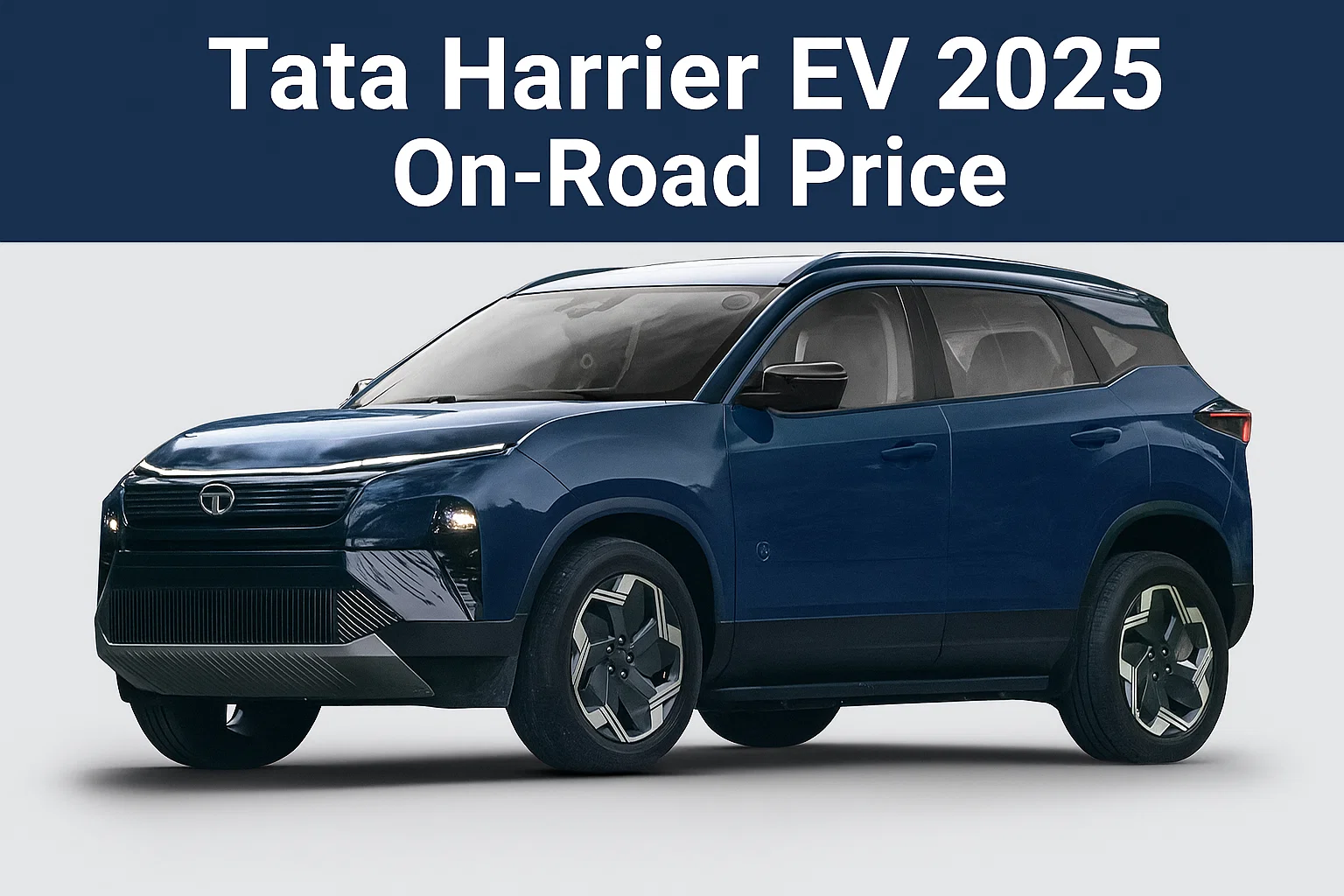
One of the most exciting upcoming launches from Tata is the Tata Harrier EV. It is expected to combine the ruggedness and comfort of the Harrier SUV with the clean performance of electric power. But before we jump into why this car is getting so much attention, let’s look closely at its on-road price, mileage, features, and everything else you should know before buying.
Tata Harrier EV Overview
The regular Tata Harrier has already been one of the most popular SUVs in India. Known for its strong build, stylish design, and powerful diesel engine, the Harrier has given tough competition to SUVs like the MG Hector, Hyundai Creta, and Mahindra XUV700.
Now, Tata Motors is bringing an electric version of the Harrier. The idea behind this model is simple: give customers the same premium SUV experience but with zero tailpipe emissions and lower running costs.
Unlike smaller Tata EVs like the Nexon EV or the Tigor EV, the Harrier EV is positioned as a bigger, more premium electric SUV. This makes it suitable for people who need a spacious car for family travel, long highway trips, or just prefer the commanding road presence of a large SUV.
Tata Harrier EV On-Road Price
One of the biggest questions that car buyers always have is: “How much will it cost me on-road?”
The expected ex-showroom price of the Tata Harrier EV is likely to be ₹25 lakh to ₹30 lakh. But when you add insurance, RTO charges, and other fees, the on-road price will naturally go higher.
Here’s a rough breakdown:
- Delhi → ₹27 – ₹32 lakh (after subsidies)
- Mumbai → ₹28 – ₹33 lakh
- Bangalore → ₹29 – ₹34 lakh
- Chennai → ₹27.5 – ₹32.5 lakh
- Kolkata → ₹27 – ₹31.5 lakh
The exact figure will depend on state-wise subsidies (under FAME II and state EV policies). For example, states like Delhi and Gujarat offer better EV incentives, so buyers there may pay slightly less than someone in Karnataka or Maharashtra.
When compared with other EV SUVs, the Harrier EV seems competitively priced. The MG ZS EV is priced around ₹23–28 lakh, and the BYD Atto 3 is around ₹34–38 lakh. That means Tata is trying to place the Harrier EV as a value-for-money option in the premium EV space.
Tata Harrier EV Variants
Just like the ICE Harrier, the EV model is also expected to come in multiple trims.
- Base variant – Affordable but with essential EV features
- Mid variant – Balanced with premium features
- Top variant – Loaded with luxury and advanced safety tech
If we follow Tata’s strategy with the Nexon EV, the Harrier EV will likely have at least three to four variants, so customers can pick based on their budget.
For example, if you want a budget-friendly option, the base variant may still offer a good range and necessary features. But if you prefer a premium driving experience with ADAS, panoramic sunroof, and a high-end infotainment system, the top model will be worth considering.
Tata Harrier EV Battery & Range
Battery performance is the most important part of any EV. The Harrier EV is expected to come with a large battery pack of 60–70 kWh.
This should give the SUV a driving range of 400 to 500 km on a full charge (depending on driving style and conditions). That’s quite impressive because it allows drivers to take long trips without worrying too much about charging stops.
Charging will also be flexible:
- Fast DC charging → 0–80% in about 40–50 minutes
- AC home charging → 7–8 hours for full charge
Tata Motors is also working with Tata Power to increase the number of charging stations across India. This means Harrier EV owners will likely have access to a growing charging network.
Tata Harrier EV Performance
The Harrier EV won’t just be about silent and clean driving. Tata is expected to give it powerful motors that can deliver quick acceleration and smooth performance.
- Expected power output: 150–170 kW (200+ BHP equivalent)
- 0–100 km/h in less than 10 seconds (estimated)
- Multiple driving modes: Eco, City, Sport
- Possible AWD option (for better grip and off-road capability)
This makes the Harrier EV not only a comfortable family car but also a fun-to-drive SUV.
Tata Harrier EV Features
When it comes to features, Tata is unlikely to compromise. The Harrier EV will offer premium features inside and outside.
Exterior:
- Stylish EV-specific design with closed grille
- LED headlamps & DRLs
- Aerodynamic alloy wheels
- Bold SUV stance
Interior:
- Spacious 5-seater cabin
- Premium upholstery
- Panoramic sunroof
- Large 12-inch infotainment system
- Digital instrument cluster
Safety:
- 6–7 airbags
- ADAS (lane assist, emergency braking, adaptive cruise control)
- 360-degree camera
- Strong body structure (likely 5-star GNCAP tested)
These features will ensure that the Harrier EV is not just eco-friendly but also modern, safe, and luxurious.
Tata Harrier EV Mileage (km per charge)
Instead of km/litre like petrol cars, EVs are measured in km per charge.
- Claimed range: 450–500 km
- Real-world city range: 400–420 km
- Highway range: 350–400 km
Factors that affect mileage:
- Driving speed and style
- Use of AC and other electronics
- Road conditions (hills, highways, traffic)
Still, even with variations, the Harrier EV will be much cheaper to run compared to petrol or diesel SUVs.
Tata Harrier EV Charging Options
Owning an EV is not only about buying the car, but also about charging convenience.
- Home charging – Best for daily use. Just plug it in overnight.
- Public charging – Useful for long trips. Tata Power is setting up more fast chargers.
- Charging cost – Around ₹1–1.5 per km, compared to ₹7–10 per km for petrol SUVs.
This means Harrier EV owners will save a lot on running costs in the long term.
Tata Harrier EV Pros & Cons
Pros:
- Long driving range (up to 500 km)
- Premium features and safety tech
- Lower running costs
- Spacious SUV with road presence
Cons:
- Higher upfront cost compared to petrol/diesel
- Limited charging stations in rural areas
- Battery replacement cost in future
Tata Harrier EV vs Competitors
The Harrier EV will compete with:
- MG ZS EV – Affordable, but smaller in size
- BYD Atto 3 – Premium, but more expensive
- Hyundai Kona EV – Compact, less range
- Upcoming Mahindra XUV.e8 – Direct rival in size and price
Among these, the Harrier EV’s advantage will be Tata’s pricing strategy and wide service network.
Government Subsidies & Benefits
Indian EV buyers get benefits through FAME II subsidies and state-level policies.
- Road tax exemptions (in some states)
- Direct price reduction under FAME II scheme
- Lower cost of ownership
For example, Delhi buyers may save ₹1.5–2 lakh because of subsidies.
Tata Harrier EV Launch Date & Booking
The Tata Harrier EV is expected to launch in 2025. Bookings may start a few months before the official release.
Delivery timelines will depend on demand, but since Harrier is already popular, we can expect strong bookings.
Who Should Buy Tata Harrier EV?
The Harrier EV will be suitable for:
- Families who want a spacious and safe SUV
- Daily city commuters with charging setup at home
- People who travel long distances and want a reliable EV
- Buyers looking for a premium EV without spending above ₹40 lakh
Conclusion
The Tata Harrier EV is shaping up to be one of the most exciting EV launches in India. With an expected on-road price of ₹27–33 lakh, a range of 400–500 km, and premium features, it promises to be a strong competitor in the EV market.
While challenges like charging infrastructure remain, Tata’s commitment to EV growth and its value-for-money approach make the Harrier EV a great option for buyers.
If you are planning to buy a premium SUV in the next year or two, the Tata Harrier EV is definitely worth waiting for.